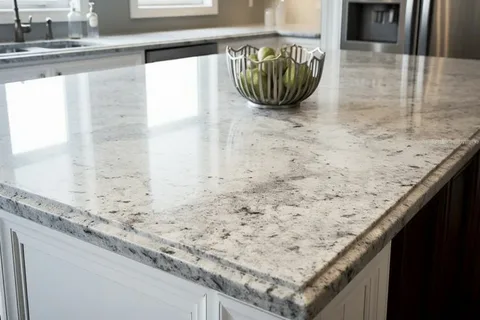
Choosing the right floor can improve a property’s appearance, comfort, and everyday function. Homeowners want surfaces that feel inviting and stand up to daily activity. Business owners, meanwhile, need floors that handle foot traffic, support cleaning routines, and maintain a professional look. Therefore, selecting the right material starts with understanding how each space will be used.
Professional reliable residential and commercial flooring solutions offer options for different rooms, budgets, and performance needs. Hardwood, luxury vinyl, laminate, tile, and carpet each provide distinct benefits. However, the best choice depends on moisture exposure, expected traffic, maintenance needs, and the style you want to achieve.
In Mission Viejo, CA, flooring projects should also consider the property’s layout and local living conditions. For example, a busy office entrance may need a durable, easy-to-clean surface, while a bedroom may benefit from a warmer feel underfoot. Comparing materials before installation helps prevent costly changes later.
Green Flag Flooring and Construction Inc. is a company property owners can contact when exploring flooring options for homes or businesses. Before starting any project, ask for clear material recommendations, a detailed estimate, and an installation plan that suits your needs.
Understanding Your Flooring Needs
Every property has different flooring demands. A family home may need surfaces that handle children, pets, and frequent cleaning. In contrast, a commercial space may require materials that withstand constant foot traffic and regular maintenance.
Match Flooring Materials to Everyday Use
Start by considering how people use each room. Kitchens, bathrooms, and laundry areas often face spills and moisture, so water-resistant materials can be practical. Bedrooms and living rooms may allow more flexibility in texture, warmth, and appearance.
Additionally, think about the existing subfloor. Uneven or damaged surfaces can affect the finished result, regardless of the flooring material you select. A professional assessment can identify problems that need attention before installation.
Here are several factors to consider:
- Durability: Choose a surface suited to expected traffic and furniture weight.
- Moisture resistance: Consider water exposure in kitchens, bathrooms, and entryways.
- Comfort: Think about sound, warmth, and how the floor feels underfoot.
- Maintenance: Compare cleaning routines and the products each material requires.
- Budget: Include preparation, installation, transitions, and future upkeep in your costs.
Moreover, consider how the flooring will connect with adjoining rooms. Consistent colors and carefully selected transitions can make a property feel more coordinated.
Popular Residential and Commercial Flooring Options
Modern flooring products offer a wide range of colors, textures, and performance features. Therefore, property owners can choose materials that balance appearance with practical needs. A careful comparison can also help you avoid paying for features your space does not require.
Selecting Reliable Flooring for Different Properties
Expert residential flooring service begins with choosing a material that fits the room and its expected use. Luxury vinyl often appeals to property owners who want a range of designs and convenient cleaning. Tile can suit moisture-prone areas, while hardwood offers a classic appearance in appropriate spaces.
Laminate provides another option for rooms that need a wood-inspired look. However, its resistance to moisture varies by product, so check the manufacturer’s specifications before choosing it for wet areas. Carpet can add softness and help reduce noise in bedrooms, meeting rooms, and selected office spaces.
Use these five points to compare materials:
- Hardwood: Offers natural character and may allow refinishing, depending on the product.
- Luxury vinyl: Provides varied designs and practical options for many busy spaces.
- Tile: Works well in many wet areas when installed with suitable materials.
- Laminate: Offers a wood-style appearance, but moisture limits depend on the product.
- Carpet: Adds comfort and can help absorb sound, though it needs regular cleaning.
Furthermore, review product warranties and care instructions before making a decision. For background on natural wood products, explore the hardwood flooring overview.
Planning a Successful Flooring Installation
Good installation starts before the first plank or tile reaches the floor. Contractors need to check the subfloor, measure the space, and confirm that the selected product suits the environment. Consequently, preparation can affect the finished appearance and long-term performance.
What to Expect Before Installation Begins
Ask the installer to explain the project’s main stages. These may include removing old flooring, repairing the subfloor, preparing the surface, installing the new material, and finishing edges or transitions. However, the exact process depends on the product and the property’s condition.
Keep these five practical steps in mind:
- Measure carefully: Accurate measurements help estimate material needs and reduce waste.
- Inspect the subfloor: Address unevenness, damage, or moisture concerns before installation.
- Confirm product details: Check thickness, underlayment needs, and manufacturer instructions.
- Prepare the room: Move furniture and plan access to the work area.
- Agree on the schedule: Discuss delivery, installation time, and when the room can be used again.
Additionally, some flooring materials need time to acclimate to indoor conditions. Follow the product manufacturer’s instructions instead of assuming every material uses the same process.
Why Professional Preparation Matters
Poor preparation can lead to gaps, uneven surfaces, loose sections, or premature wear. Therefore, ask how the installer will handle floor transitions, door clearances, and edges near cabinets or stairs.
A written project scope should explain which preparation tasks the estimate includes. It should also identify possible extra charges if the crew finds hidden damage after removing the old flooring.
Finding the Right Flooring Contractors
The quality of a flooring project depends on both the material and the installation. An attractive product may still perform poorly if the installer ignores subfloor problems or uses unsuitable installation methods. For that reason, compare contractors carefully before signing an agreement.
Questions to Ask Before Hiring
Reliable commercial flooring contractors service should explain how their proposed materials and installation methods fit your property. Likewise, experienced residential flooring contractors should consider your household’s routines, room conditions, and maintenance preferences.
Ask potential providers these five questions:
- What experience do you have with this material? Request examples of similar projects.
- What does the estimate include? Confirm labor, preparation, removal, materials, and finishing work.
- Who handles subfloor repairs? Clarify how the team will address damage or uneven areas.
- What warranty applies? Review coverage for materials and installation separately.
- How will you protect the property? Ask about dust control, furniture, and cleanup.
Moreover, read the agreement before work begins. Make sure it describes the selected products, estimated timeline, payment terms, and process for handling changes.
Reviewing Quality and Communication
A dependable contractor should answer questions clearly and explain limitations without making unrealistic promises. Check references or recent project photos when available. However, remember that photographs alone cannot confirm how a floor performs over time.
During installation, discuss any changes before approving additional work. Once the project ends, inspect the finished floor, edges, transitions, and cleanup with the installer.
Maintaining Floors for Long-Term Value
Regular care helps preserve flooring appearance and reduces avoidable damage. However, each material needs a suitable cleaning method. Using the wrong products or too much water can harm certain surfaces, so always follow the manufacturer’s guidance.
Simple Habits That Protect Flooring
A practical maintenance routine does not need to be complicated. Small actions can limit scratches, dirt buildup, and moisture damage. Additionally, quick attention to spills can help prevent staining or swelling.
Follow these five habits:
- Remove loose dirt: Sweep or vacuum regularly to reduce grit that may scratch surfaces.
- Use suitable cleaners: Choose products recommended for the specific flooring material.
- Wipe spills promptly: Avoid letting moisture sit on floors for long periods.
- Protect high-traffic areas: Use appropriate mats and furniture protectors.
- Inspect for damage: Check for loose edges, cracked tiles, or worn finish and arrange repairs when needed.
Build a Care Plan for Your Space
Different areas may need different routines. For example, a busy office entrance may require more frequent cleaning than a private bedroom. Meanwhile, carpeted rooms may benefit from regular vacuuming and periodic deep cleaning.
Keep product details and warranty documents in an accessible place. These records can help you identify approved cleaners and understand care requirements.
If a floor develops persistent lifting, cracking, or soft spots, investigate the cause rather than covering the problem. Moisture or subfloor movement may require attention before repairs can last.
Conclusion
The right flooring can improve comfort, appearance, and daily function in both homes and businesses. However, choosing a material based only on color or price may lead to problems later. Consider traffic levels, moisture exposure, maintenance needs, and installation requirements before making a final decision.
For property owners planning professional quality flooring in Mission Viejo, CA, a clear project plan can make the process easier. Begin by identifying the purpose of each room and comparing materials that suit its conditions. Then, request written estimates that explain preparation, installation, finishing, and any possible additional costs.
Contractor selection matters just as much as product selection. Ask about experience with your chosen material, review available references, and confirm warranty details. Additionally, discuss the installation schedule and how the crew will protect nearby rooms and furnishings.
Once installation finishes, follow the manufacturer’s cleaning and maintenance guidance. Regular care can help preserve the floor’s appearance and reduce avoidable repairs. Keep documentation for the product and installation so you can refer to it when questions arise.
Ultimately, a successful flooring project balances durability, appearance, comfort, and cost. By comparing options carefully and working with a qualified installer, you can choose a surface that meets your property’s needs and supports everyday use for years to come.
FAQs
What flooring is best for a busy commercial space?
Luxury vinyl, tile, and other commercial-grade materials may suit busy areas. The best choice depends on traffic, moisture exposure, safety needs, and maintenance requirements.
Which flooring works well in homes with pets?
Durable luxury vinyl and suitable tile can be practical choices. Compare scratch resistance, water resistance, comfort, and cleaning needs before deciding.
How long does flooring installation take?
Timing depends on room size, material, subfloor preparation, and project complexity. Ask your installer for a schedule based on your specific property.
Should old flooring be removed before new flooring is installed?
It depends on the existing material, its condition, and the new product’s installation requirements. A contractor should inspect the floor before recommending an approach.
How can I keep new flooring looking good?
Sweep or vacuum regularly, clean spills promptly, use material-appropriate products, and protect high-traffic areas. Follow the manufacturer’s care instructions for best results.