Choosing the right tile can improve a room’s appearance, comfort, and everyday function. However, a successful flooring project requires more than selecting an attractive color or pattern. Homeowners must consider durability, moisture resistance, maintenance, and the condition of the surface beneath the tile. The right choices can help prevent common problems and keep floors looking good for years.
In Laguna Niguel, California, tile works well in kitchens, bathrooms, entryways, and other areas that experience regular foot traffic. Local homeowners can choose from porcelain, ceramic, natural stone, and several other materials. Each option offers different benefits, so the best selection depends on the room’s purpose, household needs, and budget. Furthermore, proper preparation and careful installation help each tile perform as expected.
Green Flag Flooring and Construction Inc. helps homeowners approach flooring projects with attention to material selection, surface preparation, and installation details. Understanding these steps allows property owners to make informed decisions before work begins.
Reliable expert tile material and installation starts with a clear plan. Homeowners should evaluate the existing floor, compare suitable materials, and establish realistic expectations for maintenance and project costs. Additionally, professional guidance can help identify potential challenges before installation begins.
By understanding the available options and installation process, homeowners in Laguna Niguel and Mission Viejo can choose flooring that complements their spaces while meeting practical household requirements.
Understanding Tile Materials for Different Living Spaces
Tile comes in several materials, and each offers distinct advantages. Therefore, homeowners should compare performance, appearance, and maintenance before making a decision. A tile that works well in a bathroom may not provide the best value for every living area.
Porcelain and ceramic remain popular choices because they offer a wide range of colors, sizes, and finishes. Natural stone provides distinctive patterns, while specialty tiles can add decorative details to backsplashes and accent walls.
Comparing Popular Tile Options
Porcelain tile has a dense structure and low water absorption. As a result, it suits many bathrooms, kitchens, and busy household areas. However, installers must use suitable cutting tools because porcelain can be harder to cut than standard ceramic.
Ceramic tile often costs less and comes in many decorative styles. It works well on walls and in suitable floor applications. Homeowners should check the product’s intended use before choosing it for high-traffic areas.
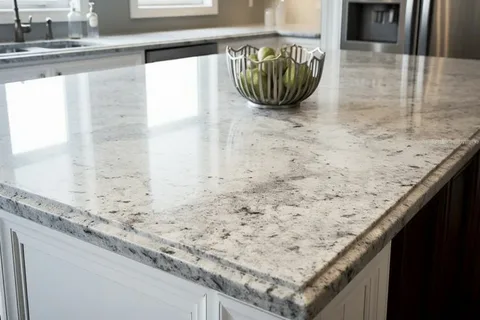
Natural stone, including marble, slate, and travertine, offers unique colors and textures. Nevertheless, some stones require sealing and careful cleaning to protect their surfaces.
Matching Materials to Room Requirements
Consider these practical points before purchasing tile:
- Moisture exposure: Choose products designed for the room’s conditions.
- Foot traffic: Select durable flooring for busy entrances and hallways.
- Surface texture: Consider slip resistance in bathrooms and other wet areas.
- Cleaning needs: Compare maintenance requirements before choosing a finish.
- Visual style: Match tile colors and patterns with cabinets, walls, and furniture.
Moreover, homeowners should review manufacturer specifications instead of relying on appearance alone. This approach helps ensure the selected tile suits the intended application.
Planning Reliable Tile Material and Installation Projects
A successful flooring project begins with careful planning. Homeowners should establish the project’s scope, inspect the existing surface, and identify any repairs that might affect installation. These steps help prevent avoidable delays and unexpected expenses.
Reliable professional tile material and installation also requires coordination between material selection and installation methods. Large-format tiles, patterned designs, and natural stone may need different preparation techniques. Therefore, installers should understand the selected product before work begins.
Preparing for a Successful Installation
Before starting the project, review the following five practical points:
- Inspect the existing floor: Identify cracks, loose materials, uneven areas, and moisture concerns.
- Measure the room: Calculate the floor area and account for cuts around corners and fixtures.
- Choose a suitable layout: Plan tile placement to reduce awkward cuts and narrow edge pieces.
- Order extra material: Keep additional tiles available for cuts, breakage, and future repairs.
- Confirm the installation method: Match the adhesive, grout, and preparation products to the tile.
Why Surface Preparation Matters
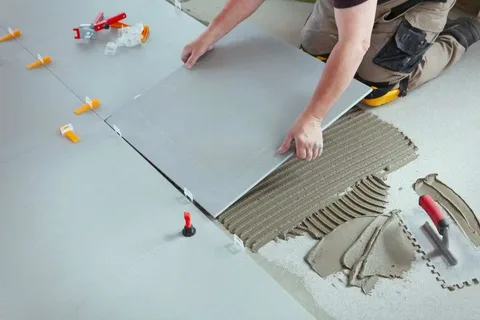
The substrate must provide a stable, clean, and suitable foundation. Dust, loose debris, and surface irregularities can interfere with bonding. Consequently, installers may need to repair damaged areas or use an appropriate leveling product before placing tiles.
Moisture also deserves attention, especially in bathrooms and other areas exposed to water. Installers should address existing leaks and follow the correct waterproofing system wherever the project requires one.
In addition, layout planning helps maintain consistent grout lines and balanced edges. A dry layout can reveal problems before adhesive application begins. These preparations support a cleaner finish and reduce the likelihood of expensive corrections later.
Choosing Tile Flooring Contractors for Your Home
The installer plays a major role in the quality of a finished floor. Even premium materials can produce disappointing results when the surface preparation, spacing, or bonding process falls short. Therefore, homeowners should evaluate a contractor’s experience and working methods before approving a project.
Searching for reliable tile flooring contractors service can help homeowners identify professionals who understand material requirements, installation techniques, and finishing details. However, homeowners should look beyond advertisements and compare the actual scope of each proposal.
Five Practical Ways to Evaluate a Contractor
Consider these five points when reviewing installation professionals:
- Relevant experience: Ask about previous projects involving similar tile materials and room layouts.
- Project references: Review available photographs and request references when appropriate.
- Written estimates: Confirm labor, preparation, materials, and additional charges.
- Installation procedures: Discuss substrate repairs, waterproofing, grout selection, and tile spacing.
- Project communication: Establish a schedule and agree on how unexpected issues will be handled.
Questions Worth Asking Before Work Begins
Ask who will purchase the materials and whether the estimate includes underlayment, trim, grout, and disposal of old flooring. Furthermore, clarify who handles repairs if the installer discovers hidden damage.
Homeowners should also ask about curing times and when the floor can safely support normal foot traffic. Different adhesives and grouts require different waiting periods.
A written agreement should describe the work, payment terms, expected timeline, and applicable warranties. In addition, homeowners can verify relevant licensing and insurance requirements for the planned work.
Clear communication makes the process easier to manage. It also gives both parties a shared understanding of the expected result, helping reduce misunderstandings during installation.
Designing Tile Floors That Balance Style and Function
Tile influences how a room looks and functions. Color, texture, size, and pattern can change the visual character of a space. Therefore, homeowners should consider the entire room rather than selecting flooring in isolation.
Large tiles can create a more continuous appearance because they generally require fewer grout joints. Smaller tiles, meanwhile, can accommodate detailed patterns and curved surfaces. However, the best format depends on the room’s dimensions and the product’s installation requirements.
Five Design Considerations for Tile Flooring
Use these five practical points when planning a design:
- Room proportions: Choose tile sizes that complement the available floor area.
- Color coordination: Match flooring with cabinets, wall colors, and existing finishes.
- Grout selection: Compare grout colors to decide whether joints should blend in or stand out.
- Surface texture: Consider comfort, cleaning, and traction alongside visual appeal.
- Lighting conditions: Review samples under the room’s actual lighting before purchasing.
Creating a Cohesive Interior
Neutral tiles can provide a flexible foundation for changing furniture and decorative accents. In contrast, patterned tiles can introduce character to a smaller area, such as a bathroom floor or kitchen backsplash.
For open-plan homes, repeating related colors or finishes can help connect separate rooms. Nevertheless, different spaces may require different tile properties. A decorative wall tile, for example, may not be suitable for flooring.
Finally, request physical samples whenever possible. Seeing the actual material helps homeowners assess its texture, shade, and finish before committing to a complete installation.
Maintaining Tile Flooring for Long-Term Performance
Proper maintenance helps preserve a tiled surface and keeps grout lines looking cleaner. Although many tiles are durable, each material responds differently to moisture, cleaning products, and daily wear. Therefore, homeowners should follow the manufacturer’s care instructions.
Reliable professional tile material and installation in Mission Viejo CA includes selecting suitable products and understanding their long-term maintenance requirements. For example, porcelain often needs less specialized care than some natural stones. However, grout joints and movement joints still require regular attention.
Five Practical Tile Maintenance Tips
Follow these five habits to help protect your flooring:
- Sweep regularly: Remove dirt and grit that could scratch certain surfaces.
- Clean with suitable products: Use cleaners approved for the tile and grout type.
- Wipe up spills: Prevent staining, particularly on porous natural stone.
- Inspect grout lines: Watch for cracks, missing grout, or signs of moisture damage.
- Use protective pads: Reduce scratches from furniture legs and heavy objects.
Recognizing Problems Before They Spread
Loose tiles, recurring cracks, hollow sounds, and deteriorating grout may indicate an underlying problem. These symptoms do not always identify the exact cause, so a closer inspection may be necessary.
For instance, repeated cracking could relate to substrate movement, unsuitable installation materials, or missing movement joints. Simply filling the visible crack may not resolve the underlying issue.
Likewise, persistent moisture around tiled surfaces may indicate a plumbing leak or a waterproofing concern. Homeowners should investigate these issues promptly rather than relying on surface cleaning alone.
When repairs become necessary, keeping spare tiles from the original installation can simplify matching colors and patterns. Additionally, documenting the product name, grout type, and installation details can help future maintenance.
With appropriate care and timely repairs, tile flooring can remain functional and attractive for many years.
Conclusion
Selecting tile involves balancing appearance, durability, maintenance, and installation requirements. Homeowners should begin by identifying the room’s needs and comparing materials suited to its conditions. Porcelain, ceramic, and natural stone each offer different advantages, so the right choice depends on the project rather than a single universal recommendation.
Preparation also matters. A stable substrate, accurate measurements, suitable adhesives, and careful grout application all contribute to the finished floor. Furthermore, a clear written estimate helps homeowners understand the work involved and plan their budgets more effectively.
Before choosing an installer, review relevant experience, discuss preparation methods, and clarify the project timeline. Ask questions about waterproofing, maintenance, and curing times. These conversations help establish realistic expectations and reduce the chance of misunderstandings.
Homeowners researching reliable tile flooring installation in Laguna Niguel, CA, should compare material specifications and installation proposals before making a final decision. Property owners in Mission Viejo can follow the same approach when planning a kitchen renovation, bathroom update, or new flooring project.
Ultimately, good flooring decisions start with reliable information and careful planning. Choose materials that suit the space, confirm that the installation method meets manufacturer requirements, and establish a practical maintenance routine. These steps can help create a tiled surface that supports everyday use while complementing the home’s overall design.
FAQs
What tile material works best for kitchen floors?
Porcelain and suitable ceramic tiles are popular choices. Consider durability, moisture exposure, slip resistance, and cleaning requirements before selecting a product.
How do I prepare a floor before tile installation?
Remove loose debris, inspect the substrate, repair damaged areas, and address moisture concerns. The surface must meet the tile manufacturer’s preparation requirements.
How can I find tile installation near me?
Search for local installers, compare relevant project experience, review customer feedback, and request written estimates that explain preparation and installation costs.
How much extra tile should I purchase?
Many projects require approximately 10% extra material for cuts and breakage. Complex layouts or diagonal patterns may require more, depending on the design.
How can I keep tile floors looking their best?
Sweep regularly, use suitable cleaning products, wipe up spills, and inspect grout joints. Follow the manufacturer’s maintenance instructions for your specific tile.