Learn how commercial flooring installation supports busy spaces through material selection, subfloor preparation, layout planning, and long-term maintenance.
Commercial floors have to do more than look presentable. They need to handle foot traffic, equipment, rolling loads, cleaning, spills, and the daily activity of employees, customers, tenants, or visitors. Green Flag Flooring and Construction Inc. approaches commercial flooring installation in Irvine, CA with attention to the building’s use, existing floor condition, material requirements, and expected traffic.
In Mission Viejo, CA, property owners considering Commercial flooring installation services also need to think about maintenance, downtime, moisture exposure, and how the flooring will perform over several years. A material that works well in an office may not provide the same performance in a retail space, medical facility, restaurant, or industrial environment.
The strongest flooring decisions begin with the conditions of the property rather than with color or appearance alone. The subfloor, room layout, moisture levels, traffic patterns, and purpose of each area should influence the material and installation method.
What Commercial Flooring Installation Should Account For
Commercial flooring projects can vary significantly from one property to another. A small professional office has different requirements from a busy retail store or a large facility with heavy equipment.
Before selecting flooring, property owners should consider:
- Daily foot traffic
- Rolling carts or equipment
- Exposure to moisture
- Cleaning frequency
- Furniture and equipment weight
- Expected service life
- Noise control
- Slip resistance
- Maintenance requirements
- Appearance and branding
These factors help narrow the range of suitable flooring materials.
A flooring system should support the way the space operates instead of creating additional maintenance problems.
Choosing Materials for Different Commercial Environments
Commercial flooring installation in Irvine, CA comes in many forms, including luxury vinyl, carpet tile, sheet vinyl, ceramic or porcelain tile, rubber flooring, and other specialized materials.
Each option has different strengths.
| Flooring Type | Common Commercial Use | Main Consideration |
| Luxury Vinyl | Offices, retail, common areas | Durability and moisture resistance |
| Carpet Tile | Offices and corporate spaces | Comfort and acoustic control |
| Tile | Entrances, retail, hospitality | Durability and cleaning |
| Rubber | Fitness and high-use areas | Impact and sound control |
| Sheet Vinyl | Healthcare and other active spaces | Seam control and maintenance |
The right material depends on the conditions of the individual property. A material should not be selected simply because it performs well somewhere else.
Subfloor Condition Influences the Finished Floor
The flooring installed on top receives most of the attention, but the subfloor can determine how well that material performs.
Uneven areas can create visible imperfections. Cracks, moisture, loose material, old adhesive, and damaged sections can also affect installation.
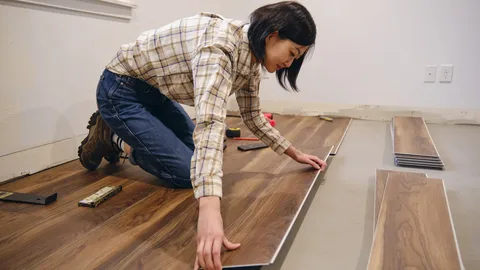
Existing flooring may need removal before the new material can be installed correctly. In other cases, preparation may involve cleaning, leveling, patching, or addressing moisture concerns.
Skipping necessary preparation can lead to problems after installation, including movement, visible seams, premature wear, or adhesive failure.
Commercial Flooring Installation Depends on the Subfloor
Commercial flooring installation services in Mission Viejo CA require a suitable surface underneath the finished material. The preparation method depends on the existing substrate and the flooring selected.
For example, some flooring products require tighter moisture control than others. Adhesive-based systems may also have specific substrate requirements.
The installation team should evaluate the floor before materials are placed. This provides an opportunity to identify conditions that could affect the finished result.
Planning Around Business Operations
Commercial flooring projects can interfere with normal business activity, so scheduling deserves careful attention.
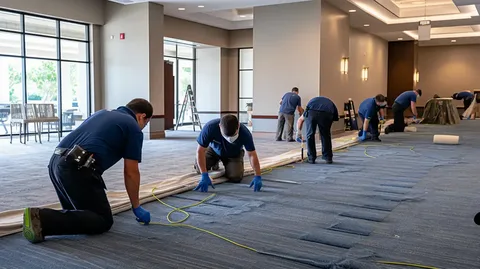
A property may need to remain partially operational during installation. In that situation, the project can require phased work, temporary access routes, or coordination around business hours.
Furniture, equipment, displays, and other items may also need to move before installation.
A clear project schedule should account for:
- Floor preparation
- Material delivery
- Existing flooring removal
- Installation
- Adhesive or material curing requirements
- Furniture replacement
- Final cleaning
Planning these details early can reduce unnecessary disruption.
Commercial Flooring Contractors and Project Coordination
When comparing Commercial flooring contractors, property owners should consider how the project will be managed from preparation through completion.
The scope should clearly address the existing flooring, substrate preparation, selected materials, installation method, transitions, baseboards, and cleanup.
Commercial properties may also have building access requirements or restrictions on when work can occur.
Coordination becomes particularly important when flooring work takes place around tenants, employees, customers, or other contractors.
A detailed project plan helps everyone understand what areas will be affected and when.
Managing Transitions and High-Traffic Areas
Transitions between different flooring materials can affect both appearance and safety.
Doorways, hallways, elevators, entrances, and areas where two flooring products meet need careful planning. Differences in material thickness can create uneven edges if the transition is not properly addressed.
High-traffic zones also deserve additional consideration.
Entrances may receive dirt and moisture from outside, while hallways can experience continuous foot traffic. Flooring selections in these areas should reflect their actual use.
Moisture and Cleaning Requirements
Commercial floors often receive more frequent cleaning than residential floors.
That makes moisture resistance and maintenance requirements important during material selection.
Restaurants, healthcare facilities, fitness centers, and other high-use environments may have different cleaning routines from a standard office.
The flooring should tolerate the expected cleaning process while maintaining its appearance and performance.
Moisture should also be addressed before installation when it exists within the substrate or surrounding environment.
Common Problems That Can Affect Commercial Flooring
Some flooring problems begin with decisions made before installation.
Choosing a material without considering traffic can result in premature wear. Ignoring the subfloor can create unevenness or installation failures.
Poorly planned transitions can create trip hazards or an unfinished appearance.
Another issue occurs when property owners underestimate future maintenance. A flooring product may look attractive when new but require more care than the facility can reasonably provide.
Considering these factors during planning can help prevent avoidable problems.
Maintaining the Finished Floor
Maintenance requirements depend heavily on the flooring material.
Regular cleaning helps remove dirt and debris that can contribute to surface wear. Entry areas may need more frequent attention because they receive outside contaminants.
Furniture and equipment should also be moved carefully to avoid damaging the flooring.
Property managers should follow the manufacturer’s cleaning recommendations rather than applying the same products and methods to every flooring type.
Periodic inspection can also identify damaged sections before they affect larger areas.
Creating a Flooring Plan That Supports the Property
Commercial flooring should work with the entire space.
The best results come from considering traffic, furniture, equipment, entrances, transitions, cleaning routines, and future maintenance before installation begins.
In larger facilities, different flooring materials may make sense for different zones. An office area may prioritize acoustics and comfort, while an entrance may require a surface designed for heavier traffic and frequent cleaning.
This approach allows flooring decisions to reflect the actual demands of the property.
Conclusion
Commercial flooring contractors involve much more than placing new material over an existing floor. Subfloor preparation, material selection, traffic patterns, moisture conditions, transitions, scheduling, and maintenance all influence the finished result.
For commercial properties in Irvine and Mission Viejo, Green Flag Flooring and Construction Inc. can approach flooring projects around the specific conditions and operational needs of each space. Careful planning before installation can help create flooring that remains practical, durable, and appropriate for everyday commercial use.
FAQ
What type of flooring is best for commercial properties?
There is no single option for every property. Luxury vinyl, carpet tile, tile, rubber, and sheet vinyl can each suit different environments depending on traffic, moisture, maintenance, and intended use.
Does the subfloor need to be prepared before commercial flooring installation?
Yes, when the existing surface has conditions that could affect installation. Uneven areas, cracks, moisture, old adhesive, or damaged sections may require preparation before new flooring goes down.
How long does commercial flooring installation take?
The timeline depends on the property size, flooring material, preparation requirements, existing floor removal, layout, and whether the business must remain operational during the project.
Can a business stay open during flooring installation?
In some cases, installation can occur in phases or during scheduled downtime. The approach depends on the property layout, business activity, flooring material, and project size.
How can commercial flooring last longer?
Regular cleaning, appropriate maintenance products, prompt attention to damaged areas, protective measures around furniture and equipment, and following the flooring manufacturer’s care requirements can help preserve the finished surface.