Choosing flooring for an entire home can become complicated quickly. Hardwood may suit one room, tile another, carpet may be preferred in bedrooms, and luxury vinyl or laminate can offer practical options for other spaces.
Green Flag Flooring and Construction Inc. provides multiple flooring materials and remodeling services for residential properties across Orange County.
Instead of asking which flooring is universally best, Laguna Beach homeowners can make better decisions by asking which material is best for each room, household routine, maintenance preference, and design goal.
Begin With the Way Each Room Is Used
Flooring performance depends heavily on location.
Bedrooms typically experience lower traffic and may prioritize comfort.
Hallways receive repeated movement.
Entry areas deal with shoes and outdoor debris.
Kitchens require frequent cleaning.
Living spaces need to work with furniture and daily household activity.
Professional residential flooring services can include several material options, but room function should narrow the selection.
Creating a simple room-by-room list helps.
Record traffic level, moisture exposure, furniture, cleaning frequency, desired comfort, and design preferences.
That information creates a more practical starting point than choosing one material solely because it is currently popular.
Hardwood Offers Natural Character
Hardwood remains attractive to homeowners who appreciate natural variation and long-term visual appeal.
Wood tone, plank width, species, grain, and finish can significantly change the atmosphere of a room.
Lighter hardwood can support airy interiors.
Richer tones can create warmth and contrast.
Hardwood also works visually with many architectural styles.
However, homeowners should understand product and environmental requirements.
Installation conditions, care, moisture, and expected traffic should all be considered before selection.
Hardwood is a design decision and a maintenance decision at the same time.
Luxury Vinyl Provides Design Flexibility
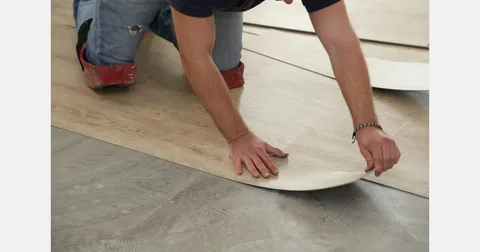
Luxury vinyl has become common in residential interiors because of its wide range of wood-look and stone-look styles.
It can provide visual continuity across several rooms where an easy-to-maintain surface is preferred.
Products differ in thickness, wear layer, construction, installation system, and water-resistance specifications.
Homeowners should compare those details instead of assuming every luxury vinyl product offers identical performance.
The underlying floor condition also matters.
Even attractive premium flooring can show installation problems if the surface underneath is not properly prepared.
Laminate Can Refresh Connected Living Spaces
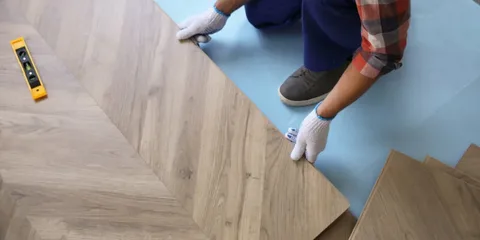
Laminate provides another wood-inspired option.
It can be useful for bedrooms, home offices, living spaces, and other rooms depending on product specifications.
One advantage is the number of visual choices available.
Plank size, grain pattern, texture, and color can support traditional or modern interiors.
Planning transitions is important.
When laminate connects with tile, carpet, or another material, homeowners should think about where that change will occur and how the different floor heights will be handled.
Tile Works Well Where Surface Durability Matters
Tile provides numerous design opportunities through material type, size, pattern, texture, and grout choice.
It is often considered for bathrooms, kitchens, entry areas, and selected living spaces.
Tile installation requires careful preparation and layout.
Small alignment errors can become noticeable across a larger floor.
The relationship between tile size and room dimensions also affects appearance.
Large-format tile may create fewer grout lines, while smaller formats can support more detailed patterns.
Maintenance expectations should be reviewed as well, especially around grout.
Carpet Still Has a Role in Residential Design
Carpet can provide softness, comfort, and sound absorption.
Bedrooms are a common location, although it may also suit family rooms, stairs, or selected areas depending on homeowner preferences.
Carpet choice involves fiber, pile, density, texture, color, and padding.
High-traffic areas generally need different considerations than lightly used rooms.
Transitions to hard flooring should also be planned carefully.
A clean connection between carpet and nearby tile, hardwood, laminate, or vinyl helps the home feel finished rather than divided into unrelated surfaces.
Use Laguna Beach Conditions as Part of the Decision
Homeowners considering residential flooring in Laguna Beach, CA should think about the coastal environment along with indoor conditions.
Properties near the coast may experience different humidity patterns from inland homes.
Sand and outdoor debris can also influence entry areas.
Large windows may expose flooring to strong natural light.
These factors do not automatically determine which flooring should be installed, but they should influence product comparisons and maintenance expectations.
Manufacturer requirements remain especially important.
Decide Whether the Home Needs One Floor or Several
Using one material through multiple connected rooms can create visual continuity.
Open living and dining areas often feel larger when flooring remains consistent.
However, one product may not be the best fit for every room.
Bathrooms or other specialized spaces may require different considerations.
The key is making transitions intentional.
If several materials are used, coordinate their colors and visual weight.
For example, a warm hardwood may transition more naturally to a tile with complementary undertones than to a surface with a completely unrelated color direction.
Think About Pets, Children, and Daily Life
Flooring should reflect the household.
Pets may introduce scratching, shedding, water bowls, and outdoor debris.
Children can increase spills and general activity.
Frequent entertaining raises foot traffic.
Homeowners who remove shoes indoors may experience different flooring wear from households where outdoor footwear is common.
These practical details help narrow material choices.
A floor that requires constant worry is rarely a comfortable long-term choice.
Test Samples in the Actual Home
A flooring showroom provides controlled lighting.
Your home does not.
Samples should be viewed beside walls, cabinets, furniture, and trim.
Move them around the room.
Check them near windows and darker corners.
Look again after sunset under artificial lighting.
Many flooring colors have subtle warm, gray, beige, or reddish undertones that become more noticeable across a large area.
Testing at home helps reduce surprises.
Consider Future Interior Updates
Flooring usually lasts longer than paint colors, rugs, or furniture.
Selecting a material that can work with future changes provides greater flexibility.
This does not require choosing the safest possible color.
Homeowners can still select character-rich flooring.
The question is whether the floor will support likely future design directions.
If a kitchen renovation is planned several years later, for example, consider whether today’s floor tone could coordinate with new cabinet and countertop options.
Preparation Determines More Than Most Homeowners Expect
Flooring installation is not only about placing the visible material.
Surface preparation, measurements, room layout, transitions, edges, and installation direction all contribute to the result.
Different flooring systems have different requirements.
Existing surfaces need to be evaluated before work begins.
Doorways, stairs, cabinets, fireplaces, and fixed architectural features may also require special attention.
A strong installation plan addresses these details before the final flooring is placed.
Choose Flooring for the Home You Actually Live In
The right residential flooring is a balance between appearance and use.
Laguna Beach homeowners can compare hardwood, luxury vinyl, laminate, tile, and carpet according to room conditions, household traffic, coastal considerations, maintenance expectations, and design goals.
No single material needs to win every category.
A thoughtful flooring plan may use one surface throughout much of the home and another where room conditions differ.
The best result is a home where every flooring choice feels deliberate, connected, and practical.